
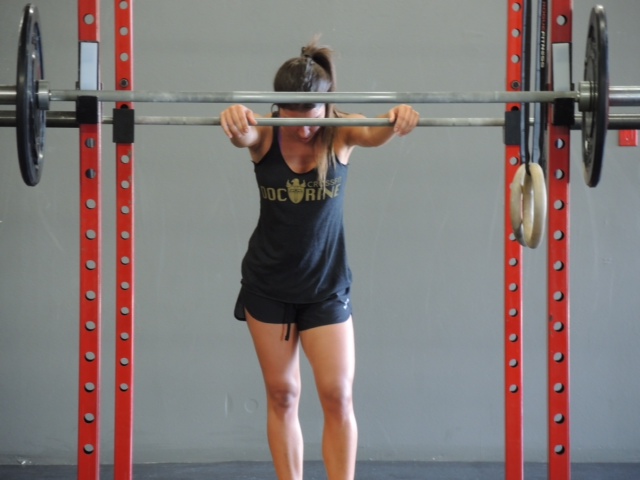
My focus has always been on services such as a nutritionist, a work focused on the clinical area, dealing more with people with metabolic imbalances, such as obesity, diabetes, etc. However, I have always enjoyed talking and studying about sports nutrition. After I finished college in Nutrition at Universidade São Camilo, I did a postgraduate degree in Sports Nutrition at Universidade Gama Filho, and today I am certified by the International Sports Sciences Association, as \”Specialist in Fitness Nutrition\”.
Since I was little I was very connected to sports, my mother put me in Olympic gymnastics at the age of 6, because, according to her, she didn’t want to see me at home watching Xuxa’s program (Thank you, mother!). Since then, I’ve always liked to try new sports and vary what I practice during my week, I think it’s one of the best ways to relieve stress and have a connection with myself.
I went to discover the CrossFit here in California with CrossFitDoctrine And I practiced for over a year. Nowadays I keep some exercises that I learned from CrossFit, but I do functional training HIIT (High Intensity Interval Training) functional training, which is also super intense, but has a different philosophy and has some intervals during exercise, where you can rest and give your best for the next series or exercise.
Due to this training style, it generates a high stress on the body (both CrossFit and HIIT), I would like to explain what these trainings will require and cause in your body, the nutritional needs and some ingredients and recipes that can be super valid for those who practice CrossFit or other high school training. intensity.
Introduction to CrossFit
CrossFit is a combination of extremely varied functional movements, ranging from Olympic gymnastics movements to Olympic weight lifting. The intensity is super high, if it works a lot of strength and physical conditioning in general. WODs (day training) usually don’t exceed 30 minutes, but they are super intense (and how!). This type of exercise is usually very efficient for the reduction of body fat, increased cardiorespiratory capacity, motor coordination, among others.

I really liked the result that brought me, both strength and physical preparation in general, to practice other sports that I consider the main focus and passion, such as surfing and jiu jitsu.
Seek to overcome, but accept your limits. Let the ego go and focus on giving your best according to what you can.
Regardless of whether the crossfit practice is at a professional level or not, it is very important to seek to recover the body mainly through food. Otherwise, we can end up unbalancing our body, overloading some organs (mainly kidneys), increasing the chances of injuries and even some factors such as weak income, fatigue, immunity drop, cramps, insomnia and even depression.
Possible imbalances generated:
Nutritional deficiency: Mainly zinc, B vitamins and vitamin D
more prone to injury – Due to the training style and possible nutritional deficiencies or failure in hydration.
metabolic acidosis – Often generated in high-intensity and short-term exercises, due to the increase in hydrogen ions, currently related as precursors of fatigue and low performance. The kidneys excrete these hydrogen ions from the blood into the urine, so if we don’t take care of this acid-basic balance, we can also overload them.
Deficiency in the immune system – Due to the high level of inflammation generated by exercise or even frequent injuries, which affects the pH of the blood and its intestinal flora, which are very important factors for a good functioning of the immune system.
Fatigue: It is common to be due to food failures (mainly poor in carbohydrates, proteins and alkaline foods), poor sleep quality, dehydration or overtraining.

Important considerations in food:
What to avoid:
- Foods that can be linked with the imbalance of your intestinal flora and promote a more acidic blood pH (both factors that decrease the absorption of nutrients by the body): excess sugar in refined carbohydrates, alcoholic beverages and soft drinks.
- Excess of industrialized: because they can increase allergic processes due to the presence of chemical additives (colors, preservatives and others).
What to include daily:
- Whole carbs and with a low glycemic index throughout the day (ex: rice (black, whole or wild), sweet potatoes, corn, oats, etc.
- Carbohydrates with a medium/high glycemic index at the time after training: fruits with more sugar (ripe banana, dates, natural fruit juice, smoothies like my Super Post Workout Smoothie, Ginger Green Smoothie, pink pitaya bowl
- Animal proteins (meats, eggs, yogurts) and plant protein (quinoa, lentils, peas, spirulina, nuts, amaranth, beans). I recommend leaving vegetable protein to soak overnight before cooking to improve digestion and bioavailability of nutrients. Try to include a portion of protein in most of your meals.
- Mostly alkaline foods. help regulate blood pH, providing a more conducive environment for vitamin and mineral absorption, as well as possibly improving recovery after training: dark green leaves in general // sunflower seed // yams // seaweed //miso // Sweet potato // cucumber //celery //broccoli
- Special spices with alkalizing power: Cayenne pepper, basil, dill, parsley, sea salt, onion, curry, ginger.
- Vegetables at most meals/fruits of good tolerance throughout the day: Increasing the source of fibers that will collaborate with the increase of good bacteria in your intestinal flora (immune system), bring more satiety and guarantee vitamins, minerals and phytochemicals for your body.
Recipe suggestions I make:
- Fresh ginger or cucumber pieces in your claw of water during training or throughout the day.
- Post training: Super Post Workout Smoothie, Ginger Green Smoothie, pink pitaya bowl
- snack ideas
- wholemeal gluten free bread
- Banana bread (Grain free, gluten free, dairy free)
- Raw Cocoa Brownie (vegan, grain free, gluten free, dairy free)
- Natural Juices: Pomegranate or tomato (both potent antioxidants recently related to fatigue reduction and potent antioxidant action. See the studies here: Tomato / Pomegranate.
supplementation:
It depends on your objective: competitive, aesthetic, performance, etc. Frequency of training in the week or food limitations (example: vegans, vegetarians, excess food allergies) are also factors that I consider when prescribing a supplement.
Some dietary supplements can help complement a balanced diet. Quantities should be prewritten according to lifestyle, personal goal, body weight, level and training frequency. So look for a sports nutritionist to guide you with precision.
- Probiotics: improve their intestinal flora, with a predominance of good bacteria. This will improve your immune, endocrine and absorption of vitamins and minerals. They can be found in capsules or sachets.
- BCAA – Helps in central and muscular fatigue // Helps in recovery and muscle synthesis.
- Beta Alanine – By increasing the production of carnosine, it helps to reduce muscle acidity caused in high-intensity exercises such as CrossFit, so it can decrease fatigue and improve performance.
- Protein Powder – as another extra protein source option. Provides amino acids to replace and synthesize muscle cells.
- Fish oil – source of omega 3. important anti-inflammatory.
- Vitamin D – Assists in the mineralization of calcium in the bones and is super important in the immune system. Many people have a deficiency of this vitamin, so it’s nice to monitor through blood tests to know the level of need.
- L-Glutamine – important mainly for the immune system, preventing against infections of viruses and bacteria.
- Green Tea – Important antioxidant and detoxifying. It has caffeine, and it is interesting to avoid consumption close at night so as not to get in the way of sleep.
Remember: supplements do not work miracles by themselves and do not dispense with the need for healthy eating. The nutritionist is the only professional graduated in nutrition with scientific knowledge capable of the private dietary prescription function, in accordance with Law No. 8,234, of September 17, 1991.
Questions or comments are welcome (go down to the bottom of the page).
Portuguese version? Click here!
Nutrition for CrossFit
thought i have specialized in clinical nutrition for the past 8 years as a nutritionist (treating obese people or other disease related medical issues), i have kept myself well informed on subjects related to sports nutrition.
After I finished my Bachelors in Science Nutrition at Sao Camilo University (Sao Paulo, Brazil), I specialized in sports nutrition at Gama Filho University (Sao Paulo, Brazil), and Became a Certified Sports Nutrition Specialist by the International Sports Sciences Association.
i went to crossfit (atCrossFitDoctrine) for one year or so, and it helped me to increase my strength and endurance performance generosly! It was my first experience dabbling with high intensity workouts, and also using weights. to my surprise, crossfit helped me to not only improve the above but also my performance in other sports that I consider my main focus and passion like surfing and jiu-jitsu.
CrossFit is a combination of high intensity interval workouts, strength and conditioning trainings. The WODS (Workout of the Day) Can Vary from Gymnastic Movements (My Favorites), to Olympic Weight Lifting. if you want to know more deep information, check this web.
NowDays, I Go To a Sports Performance Training Center, A Few Times a Week, Where I Still Practice Some Movements From CrossFit, But With A Different Style Of Training still high intensity). My Workouts are a combination of circuit training and hiit, which is maximum intensity work (short duration), followed by significant rest so you can give a maximum effort to the next time.
All High Intensity Workouts will increase the level of inflammation in your body and it is extremely important to balance these levels, mainly by what you eat. i want to address specific needs your body might require, imbalances Performance and other goals.
common imbalances
Nutritional Deficits: Zinc, B Complex, and Vitamin D.
more likely to be injured – Due the Style of the Exercise (Specially CrossFit), Nutritional Deficiencies, or Dihydration.
Betabolic Acidosis – Common in high intensity exercises with short periods, like crossfit. The High Concentration of Hydrogen Ions (H+) Can Cause an Acidic Invironment In The Blood, Which Can Reduce The Availability Of Nutrients And Also Of Oxigen For Your Body Absorb.
poor immune system – Due to the High Level of Inflammation Caused from the Exercise and Frequent Injuries, this may lead to an acidic environment and poor intestinal flora, which is essential in maintaining The Proper Immune System.
Fatigue: Due to Poor Nutrition (especially strict carbs diets), Lack of Rest for the Body or an Insufficient Nights Sleep.
how to create a better fuel through nutrition
what can negatively affect you:
- Alcohol, Soda, and Highly Refined Carbs with Added Sugar That Are Poor in Fiber. These food might affect your intestinal flora and your blood ph. You don’t need to eliminate entirely but try to limit consumption to occasional situations.
- Industrialized food: try to limit according to your routine or look for alternatives brands. Check my snack ideas for more examples.
what to include on a daily-basis:
- Whole grain carbs with slow digestion during the day (eg Black, Red or Brown Rice, Sweet Potatoes, Organic Corn, Oats).
- Sugary and Healthy Carbs for Post Workouts: Sugar Fruits, Such as Ripe Bananas, Dates, Natural and Cold Press Fruits Juice, Smoothies Super Post Workout Smoothie, Ginger Green Smoothie, pink pitaya bowl
- Lean Animal Protein and/or Vegetable Protein: Lean Meat, Eggs, Or Non Dairy Yogurts. Vegetable Protein Source: Lentils, Spiruline, Quinoa, Peas, Nuts, CheckPeas, etc.
- Alkaline Food: Helps to Balance Your Blood PH for Greater Recovery: Dark Green Leafs (Kale, Swiss Chard, and Specially Spinach), Pumpkin Seeds, Sea-Weeds, Cucumber, Broccoli, Aspargus.
- Alkaline Forming Seasonings: Basil, Dill, Cayenne Pepper, Sea Salt, Curry, Fresh Ginger, Lemons, Garlic, and Turmeric.
My Favorite Recipes:
- add fresh ginger and slices of cucumber in your bottle of water
- Post Workout Smoothies: Super Post Workout Smoothie, Ginger Green Smoothie, pink pitaya bowl
- Snacks ideas
- nut & seed bread
- Wheatgrass Shots
- Grain Free Banana Bread (Grain free, gluten free, dairy free)
- Raw Cocoa Brownie (vegan, grain free, gluten free, dairy free)
- Top Natural Juices: pomegranade or tomato (both have great anti-inflammatory properties and might reduce fatige. See the studies here: tomato / Pomegranate.
Supplements:
Keep in mind that without healthy and balanced eating habits, supplements can be a waste of money. They can help find a better performance, especially for those who have an intense training routine or other special needs, such as vegetarians, vegans, or other special cases. Make sure you purchase from a safe brand since FDA (Food and Drud Administration) does not regulate supplements. Also try to get Proper orientation (from a dietitian, nutritionist, or a physician) if you see a deeper and individualized orientation:
- Probiotics: Help the growth of friendly bacteria in your gut which can positively affect your immune system, nutrient absorption, and specific hormone production.
- fish oil – Great source of omega 3 fatty acids. Important anti-inflammatory.
- BCAA (Branched-chain aminoacids) – Helps to Repair and Build Muscles, Might Reduce Fatigue.
- Beta Alanine – Helps to increase carnosine, which can reduce acidic pH in our muscles and muscular increases endurance.
- Protein Powder – As an extra source of protein which will provide you aminoacids to repair and build muscles, can also help boost your immune system.
- D Vitamin – Vital for Strong Bones and Teeth, since it controls absorption of calcium and phosphorus and also important to the immune system. since many people have a deficit of this vitamin, i Often recommends talking with a doctor to teach the right amount of supplementation.
- l-glutamine – Crucial for immune system, great compoound for a better recovery.
- Green Tea – Great antioxidant and also can help to detox your body. has caffeine so avoided consumption after 4pm if you are sensitive to caffeine and look for a good nights sleep.
This post is just a way to help people achieve a healthier lifestyle, with the inclusion of whole and nutrient-dense food. However, each person has their own needs and preferences, so I always encourage people to understand how food can impact their bodies and adjust that to their routine. A Proper Orientation can also be the key-point, especially if you have a special need or a metabolic disorder.