
english version? Click \”Continue Reading\” then here!
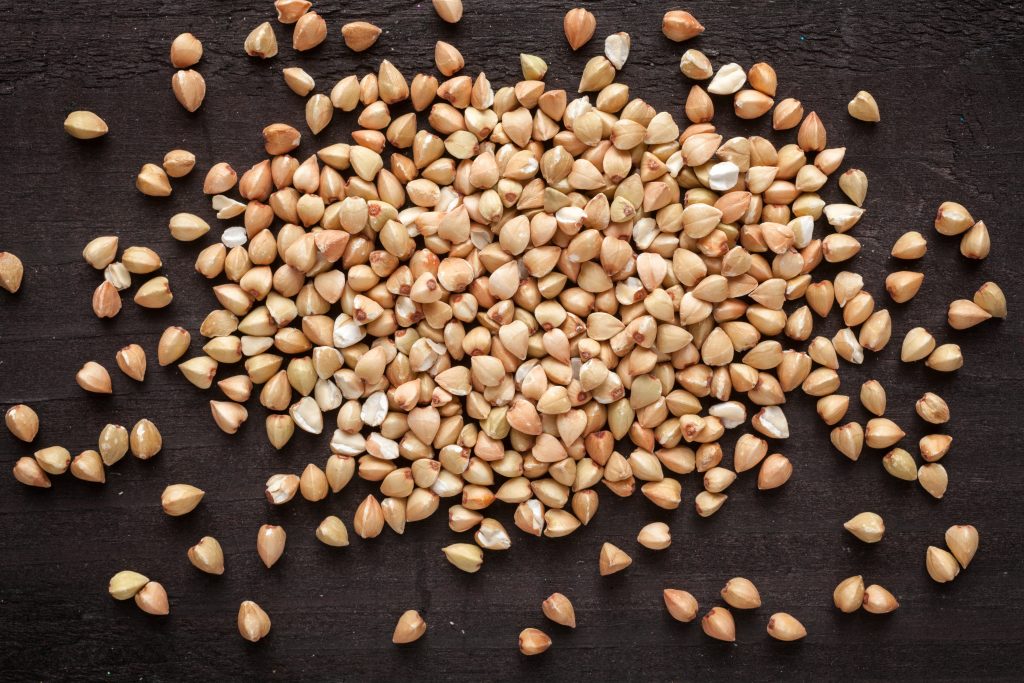
Buckwheat, despite its name, is a naturally gluten-free pseudo-grain. In fact, it’s a seed, but we usually find it among other grains in supermarkets. It is not still a very popular ingredient, but it is already one of the most present in my routine, mainly because of the versatility and flavor it has.
The taste of buckwheat pulls towards something similar to nuts, with a very peculiar shape and can be consumed both raw and cooked! It was initially consumed in South Asia, but nowadays it is found anywhere.
as well as the quinoa, buckwheat stands out for the high protein content it offers when compared to other grains. In addition, it can be a great ingredient to regulate cholesterol and be a heart protector for the high level of fiber and magnesium. Also rich in zinc, manganese and copper.
how to use | As a pilaf accompaniment, to make porridge or raw to eat granola (very crispy). I even use it cooked as a morning cereal with almond milk, honey and cinnamon (see the photo below). You can also use flour for pancakes, cakes and muffins.
nutritional value | in 100g (dry)
- Total fats: 3g; Saturated: 1g; Trans: 0g.
- Protein: 12g
- Total carbohydrates: 75g; fibers: 10g
Minerals
- Calcium 17.0 mg 2% vd
- Iron 2.5 mg 14% vd
- Magnesium 221 mg 55% vd
- match 319 mg 32% grandma
- potassium 320 mg 9% vd
- Zinc 2.4 mg 16% vd
- Copper 0.6 mg 31% vd
- Manganese 1.6 mg 81% vd
- selenium 8.4 mcg 12% vd
Source here.

Extras:
Where to buy | usually in health food stores and cereal areas. Online stores also sell.
how to cook | 1 cup of buckwheat for 2 glasses of water. In a pan, mix the two ingredients and let the water boil. Leave on medium heat and cook for about 15-20 minutes. It is worth mentioning that if you left the seeds to soak, you may need less water to cook (1/2 cup less).
Tips | Like most grains, soak in water for at least 4 hours (I prefer it all night long) to clean the grains and improve digestibility and bioavailability of nutrients. Dispense the water to soak and wash the beans under running water before cooking.
Portuguese version? Click here!

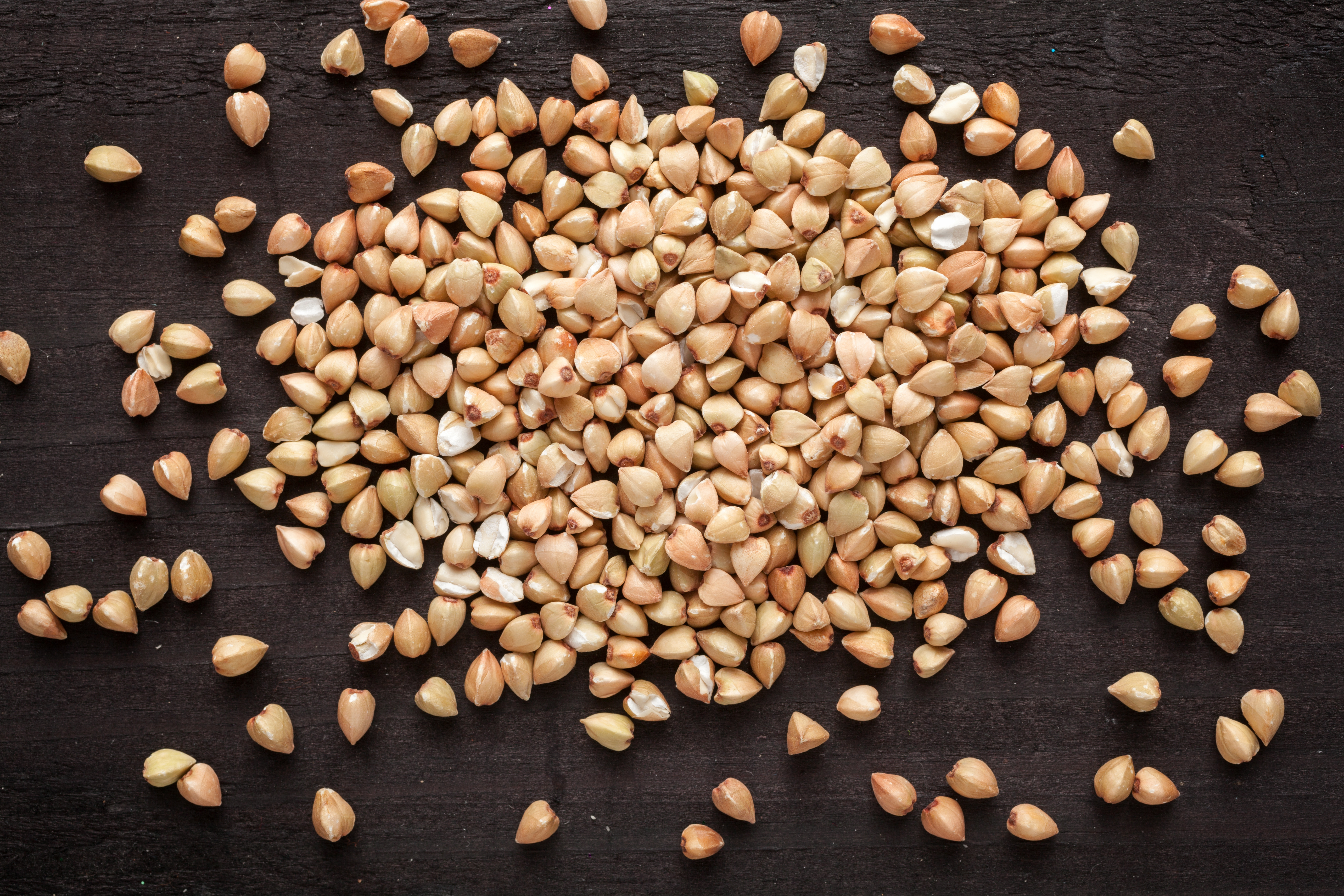
- Despite its name, buckwheat is a pseudo-grain naturally free of gluten. It is currently a seed, but you will outside it in supermarkets close to other grains. I have discovered buckwheat not long time ago, but it is already one of my top ingredients at home, especially for its versatility and special flavor.
- Buckwheat has a nutty taste, a very quirky shape and can be eaten either raw or cooked! I often use it as a topping to my smoothies or acai bowls to give that crunchy texture without adding lots of sugar often found in granolas.
like quinoa, buckwheat stands out for its high protein content and can also a great ingredient to fight cholesterol and other heart diseases due the high level of fiber and magnesium. It is also rich in zinc, manganese, and copper.
How To Use | As a simple side like a pilaf, to make porridge, as a topping (raw) for smoothies or acai bowls, and as a flour for pancakes, cakes, and muffins. I also use the cereal to mix with almond milk, honey, and cinnamon (see picture bellow).
Nutritional Value | *per 100 g (dry)
- Total FAT: 3G; Saturated: 1g; trans 0g.
- Protein: 12g
- Total Carbohydrates: 75g; Fiber: 10g
minerals breakdown
- Calcium 17.0 mg 2% DV
- Iron 2.5 mg 14% dv
- magnesium 221 mg 55% dv
- phosphorus 319 mg 32% dv
- Potassium 320 mg 9% dv
- Zinc 2.4 mg 16% dv
- Copper 0.6 mg 31% dv
- manganese 1.6 mg 81% dv
- Selenium 8.4 mcg 12% dv
Notes:
Where to Buy | Healthy Stores, Grocery Stores, and Online.
How To Cook | 1 Cup of Dry BuckWheat for 2 Glasses of Water. Bring to Boil for about 20 minutes.
tips | Since most of the grains have antinutrients, I strongly recommend soaking it in water for at least 4 hours or overnight, with a pinch of sea salt. After soaking the buckwheat, rinse it and wash a little bit in water. by doing that, you will increase the absorption of nutrients and