
I’m the queen of freezing food, that’s because I can’t stand food waste and I’ve found a fantastic way to always have practical and healthy options ready to consume. In this post I will explain which foods I usually freeze, how and when to freeze them, in addition to raising awareness of how this practice can be an ally to maintain food and the world healthier and more sustainable.
I freeze practically everything here in my house, from fruits, vegetables, green leaves, soups and etc! Of course, fresh food is always the best option, but if I see that I won’t consume it on time, I don’t think twice. As I live only with my husband, it is common to have some things left or sometimes we end up buying larger quantities than we can eat during the week, so everything goes to the freezer
World food waste
Did you know that about one-third of food produced in the world are not consumed? And that a quarter of the amount wasted would be enough to feed all the people who starve in the world? I am very sad to know that in 2016 the number of people in the world with chronic malnutrition increased to 815 million. Since 2000, where 900 million people were considered malnourished, this number was reducing, but in the last year it has increased considerably, mainly as a reflection of conflicts and wars (in 2015, there were 777 million malnourished people). The regions that suffer the most from hunger are Sub-Saharan Africa, Southeast and Southeast Asia, in addition to regions that are experiencing conflicts (the last example that the media showed vehemently was the situation in Syria).
The number of women in the world of reproductive age that is considered anemic is alarming, reaching 33%. In addition to women’s health being at risk, children are also affected. Currently, 155 million children suffer from atrophied growth due to malnutrition. I can’t know all this and not do my part, avoiding food waste as much as possible.
Foods I always have in the freezer:
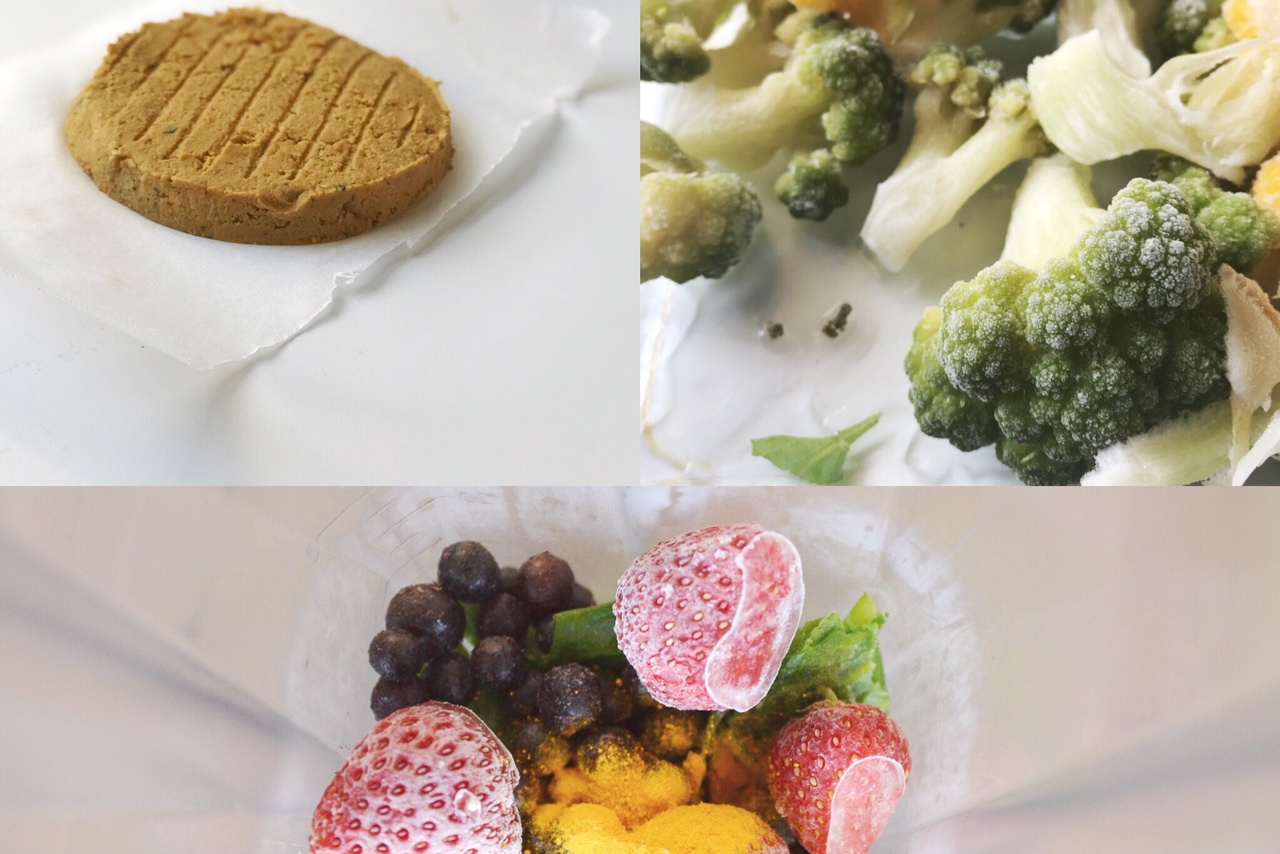
- coconut milk ice (great option to add to smoothies)
- sweets (fudge, chocolate squares and other recipes of sweets that I like to make)
- homemade breads (already sliced freeze, it’s super practical: go straight to the toaster and that’s it!)
- vegetables (cabbage, spinach, cucumber, cauliflower..etc). Perfect to give creaminess and increase the nutritional density of smoothies, without increasing sugar levels in the recipe.
- Fruits (banana, blueberry, blackberry, strawberry, açaí pulp and avocado). Frozen fruits guarantee more creaminess in recipes. They can become fruit ice creams, smoothies or a beautiful healthy dessert. For fruits that we do not consume the skin (banana, avocado) remove the skin before freezing.
- fresh herbs
- Vegetable or meat burger. The tip is to freeze the hamburger without frying or roasting, even raw. Use parchment paper between each burger so they don’t stick.
- soups Soups I usually prepare twice the recipe and leave a frozen one so I don’t have to do it so often.
In addition to being super practical, I can make better use of the fruits and vegetables of the time. And that means consuming better and more nutritious products over the months in addition to being economically more interesting!
How to prepare food for freezing

The idea of freezing food is very practical, but to ensure the quality of food and good results, we need to be aware of some details when preparing them and remember that the longer it is frozen, the more nutrients are lost.
Exact and/or individual portions: This in everyday life saves! And it saves in several ways, first by practicality, then by avoiding refreezing and also to guide us on the ideal size of the portion of each food (mainly with the sweets).
Food must be in good condition: Freshness and quality at the time of freezing directly affect the condition of frozen foods. If they are frozen at the peak of quality, thawed foods will have a better taste and appearance. So don’t wait too long to freeze foods you already know will not be consumed in the next few days.
Food hygiene: As the freezing process is not able to eliminate bacteria and fungi, good hygiene should be done to reduce the chances of contamination. Fruits and vegetables can be left to soak with vinegar and then washed with the help of a brush. To avoid ice formation and the food burns with the cold, it is important to store them dry.
Pre-baking: I usually cook some vegetables before freezing them to facilitate digestion if I go to consume them raw in smoothies. This is only true for zucchini and cauliflower, green leaves and cucumbers do not need pre-cooking. For pre-cooking I usually use a bamboo steamer . Ideally, this process should be very quick, just to soften the vegetables. With the help of a fork it is possible to check the texture of the food and remove it from the cooking at the right time. This pre-cooking will facilitate the digestive process, inactivate some enzymes and make the freezing more efficient.
Do not put hot food in the freezer: Although quite obvious and that you have probably heard a lot in your house, some people end up doing it to save time. The problem is that the heat of this food ends up increasing the temperature of the freezer, harming all the other foods that are there.
Put a date on your packaging: As the period of time that the food is frozen directly impacts its quality, it is very important to keep track of when each food was placed in the freezer. A practical way is labels or permanent pens in the case of packaging that will be discarded after consumption.
proper packaging: Paper film, glass food containers (best option) or plastic can be a good option too. Ideally, the food should have the least contact with oxygen (to avoid the activation of some enzymes that can accelerate the aging process of the food), so the best option will always be to pack the food to vacuum, but as it is not always possible, the ideal is to remove as much air as possible. packaging before freezing.
How long can we freeze?
The variable that most influences the quality of the food is the time it remains frozen, so it is important to respect this limit according to each food. I recommend consuming soups, breads, sweets, fruits and vegetables in up to 01 or 02 months, remembering that the less time the food is frozen, the more similar to the natural it will be. In the literature we found a longer period of up to six months for fruits and vegetables, with the exception of bananas, which would be two months.
Is freezing food safe?
But after all, Freezing food is safe? The answer is yes, as long as the temperature of the freezer is constantly below -17°C (0°F), in this way vitamins, minerals, color, flavor and texture will be maintained. If by chance your freezer does not reach this temperature, the ideal is that the food does not remain frozen for a long time. Freezing slows down the movement of molecules, causing them to enter a dormancy stage. With this, the microorganisms (bacteria, parasites, fungi, yeasts) responsible for spoiling food, also fall asleep, that is, the cells do not multiply. That’s why it’s very important to be aware of the temperature of the freezer and prevent this temperature from changing. Remembering that these bacteria, fungi and parasites are only inactive, they are not destroyed, so after defrosting they act again and multiply.
Frozen Foods 101

im mastering the art of freezing food! I just cant stand the idea of wasting food and by freezing them ive found a great and easy way to avoid waste and always have a practical and healthy option ready-to-eat. in this post I will be talking about:
- foods i usually freeze
- how and when to freeze them in order to guarantee high quality
- How this practice can help to build a healthier and more sustainable world.
I Freeze Almost Everything, from Fruits, Vegetables and Green Leaves to Soups, Breads and etc! Of course fresh food is always the best option, but if I see that I wont consume it in time, I dont think Twice: I freeze them right away! at home, it is just my husband and i, so its common to have some leftovers or more than needed for the week, so all the extras goodies go straight to the freezer.
the food waste issue
Did you know that about one third (approximately 1.3 billion tonnes) of all food produced for human consumption goes to waste every year? even if just one-fourth of the food currently lost or wasted globally could be saved, it would be enough to feed 870 million Hungry People in the World. After a prolonged decline, World Hunger Appears to be on the rise again. The estimated number of undernourished people increased to 815 million in 2016, up from 777 million in 2015. In 2016, The Food Security Situation Deteriorated Sharply in parts of Sub-Saharan Africa, South-Eastern Asia, Western Asia and also in areas of conflicts and wars.
almost one-third (33 percent) of Women of Reproductive Age Worldwide Suffer from Anaemia, which also puts the nutrition and health of many children at risk. In 2016 Chronic Child Malnutrition Affected One Out of Four Children Under the Age Of Five Years, or 155 Million Children. Knowing all this I just cant agree with the idea of throwing food away, so I do my best to avoid waste in my house.
my favorite frozen fruits

- Coconut Milk Ice Cubes (Great Option to add on smoothies)
- sweets (fudge, Dark Chocolate Squares and Other Recipes that i like to cook)
- homemade breads (Slice the bread before freezing, so all you have to do is to take a slice out of the freezer and put it directly into the toaster)
- Vegetables (cabbage, spinach, cucumber, caulflower, etc.). Perfect for Giving an Extra Creaminess and Increase the Nutritional Density of Smoothies without Creasing Sugar Levels.
- Fruits (Banana, Blueberry, Blackberry, Strawberry, Açaí Pulp and Avocado). Frozen Fruits Ensure More Creaminess in Recipes. They can become fruit ice creams, smoothies or a beautiful healthy dessert. Store The Fruits Sliced and Peeled.
- fresh herbs
- Veggie or Meat Burger (Freeze The Burgers Individually Between Layers of Parchment so they dont stick together)
- soups
Besides Being Super Handy, I Can Make Better Use Of Seasonal Fruits And Vegetables! That means: consuming better and more nutritious products over the months as well as being economically more interesting!
how to properly freeze food
The idea of freezing food is quite practical, but to teach high quality of food and good results, we need to be active to some details while preparing them. The process of freezing prevents the growth of bacteria, yeasts and molds that cause food spoilage and food poisoning. However, it is important to keep your freezer temperature at or below -17°C (0 °F) in order to Retained Vitamin Content, Color, Flavor, and Texture of the Food.
freshness and quality of the food at the time of freezing affect the condition of frozen food. if foods are frozen at the peak of their quality, they emerge tasting better than foods frozen near the end of their freshness. so freeze items you won’t use in the near future sooner than later.
food hygiene: the freezing process isnt able to eliminate bacteria or fungi so its very important to clean fruits and vegetable properly before freezing them. The fruits and vegetables can be soaked in water+vinegar and then washed with the help of a vegetable brush. to avoid the formation of ice and food burn its important to let them dry before before.
Blanch Vegetables: Bring a large pot of water to a boil and add the vegetables to the water. Once the water returns to a boil, cook the vegetables for 2 to 3 minutes. Removes the Vegetables from the Boiling Water and Transfer them immediately to a bowl of ice water. another option is to use a bamboo steamer just to soften the vegetables, with the help of a fork its possible to check the texture of the food and remove it from cooking at the right time. Steam Cooking Preserves Nutrients More Effectively Compared to Cooking in Water, Where Some Vitamins and Minerals End Up Being Discarded With The Water.
let it chill – To keep food safe, let your food cool down before freezing. Putting foods that are still warm in the freezer can raise the whole freezer temperature, causing surrounding frozen items to partially thaw and refreeze, which can alter the taste and texture of Some foods.
Label and date the packages: This is so important to keep track of what you have on your freezer. Quality Suffers the longer food is frozen.
Properly Packing: Pack food tightly in airtight containers or freezer bags. Squeeze Air from Bags Before Sealing. If Moisture Escapes, Frozen Food Can Become Dry and May Develop Freezer Burn.
Individual Pack Portions: This allows you to defrost only what you need and also helps to keep your diet on track, by only eating the right portion.