A healthy microbiota is filled with several positive bacteria that produce essential vitamins, short-chain fatty acids, and immune-regulating molecules. An unbalanced microbiota can reflect or contribute to various precursors, such as insulin resistance, weight gain, autoimmune diseases, inflammation or excessive hunger, which can lead to serious health scenarios.
Science already recognizes that modern lifestyle can be harmful to bacteria and other microorganisms that inhabit our body. The indiscriminate consumption of antibiotics, anti-inflammatory, fast food (industrialized) are just a few examples of factors that contribute to the unbalanced growth of our microbiota. Another factor that has been linked very often is the increase in born people by cesarean section and the use of children’s formulas. The idea is not to condemn the cesarean section or the use of children’s formulas, because we know that both can save thousands of mothers and babies. But, showing that if there is a natural option for childbirth and breastfeeding, it can be beneficial for the health and development of the baby’s microbiota, since during natural childbirth (through vaginal mucus, which among other substances also contain bacteria) or through milk Maternal there is an exchange of fluids, where the mother passively passes to the baby bacteria, which will then contribute to the formation of her microbiota. We need to create a healthier and more conscious relationship with this population of microorganisms that make up our internal ecosystem, since they play a fundamental role in our health.
These microorganisms that inhabit our body make up what we call a microbiota, a cluster among bacteria, fungi, parasites that together directly interfere with the absorption of nutrients, production of some vitamins, neurotransmitters (serotonin, for example!), Regulation of our immune and hormonal system. Quite a lot, right?
How to improve our microbiota in practice.
There are two points to be asked when it comes to maintaining a healthy microbiota:
- What foods or daily habits need to be avoided to limit the damage and destruction of their diversity?
- What can you include to increase and feed your microbes?
Applying the analogy of a garden, think that you want to offer a healthy soil for the growth of bacteria and at the same time limit the stress and toxins that can damage the soil. When the growth of microbes is exacerbated or dysbiosis (microbiota imbalance) is in maximum effect, just like in your garden, first we need to remove undesirable plants, then treat the soil and thus plant again.
Therefore, here are 5 steps that we can take and create more awareness to maintain the “garden” of our microbiota with less negative bacteria and with a lower risk of developing a picture of dysbiosis.
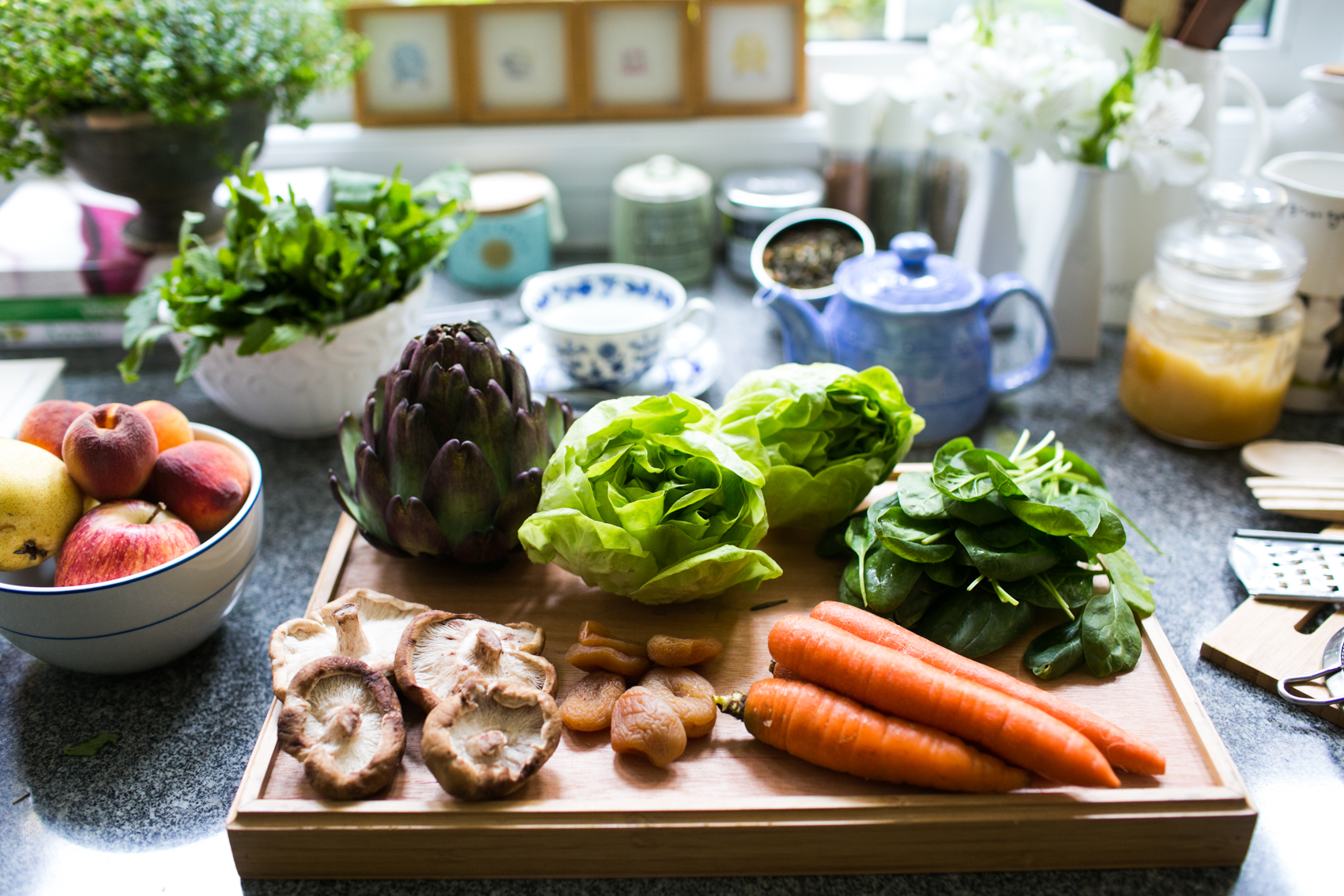
5 steps to improve your microbiota
- Avoid the indiscriminate use of anti-inflammatory drugs (aleve, ibuprofen). When used for a long period of time can affect our microbiota, increasing the chances of an intestinal inflammation and also increasing the permeability of our intestine.
- Make use of antibiotics with awareness. We currently notice an exaggerated consumption of this drug, on average Americans use antibiotics 4 to 5 times a year. Antibiotics kill the good and bad bacteria in our body, causing an imbalance. The idea is not to stop using antibiotics, but to use them in situations where they are really necessary.
- Avoid using anti-bacterial soaps and having direct contact with cleaning products as they destroy the good and bad bacteria in our body. One solution is to make your own cleaning products with more natural ingredients by combining for example: white vinegar, baking soda and essential oils that have antibacterial characteristics. This is a less aggressive option for our health.
- Don’t overdo the consumption of meats. In general, limiting the consumption of meat is interesting for its microbiota, as well as prioritizing meat of good origin, to avoid those that were fed with hormones and antibiotics. The idea is that the meat is present in just a few times in your week and more as a portion of an accompaniment, instead of being the main ingredient of your dish.
- Avoid using artificial sweeteners. Although they have no calories, recent studies have pointed out a relationship between glucose intolerance and sweetener consumption.
5 steps to a healthier microbiome

A healthy microbiome is full of positive bacteria that produces essential vitamins, short-chain fatty acids, and immune regulating molecules. on the other hand, an imbalanced microbiome can reflect and/or contribution to many precursors Like insulin resistance, weight gain, autoimmune diseases, inflammations or exceptional hunter which can Contribute and Lead to more serious health conditions.
Science already recognized that our modern lifestyle can be harmful to bacteria and other microorganisms that live in our body. The Indiscriminate Consumption of Antibiotics, Anti-Inflammatory Fast Food, are only some examples of factors that contribute to the unbalanced growth of our microbiome. It’s important that we create a healthier and more conscious relationship with this population of microorganisms that live on and inside our body, since they play a key role in our Health.
These microorganisms that inhabit our body compound what we call microbiota, a cluster of bacteria, fungi, parasites that together interferes with the absorption of nutrients, the production of some Vitamins and Neurotransmitters (eg serotonin), Regulation of Our Immune System and Hormonal System. That’s Impressive, right?
Take Action and Improve Your Microbiome
there are two important elements that must be considered when it comes to a healthy microbiome:
- What food or daily habits need to be avoided in order to limit harm and destruction to your diversity?
- What can you positively do to increase diversity and feed your microbes?
to make things clearer, let’s apply the garden analogy. In order to provide a healthy soil for bacterial grow we have to limit stress and toxins that can harm the soil. When overgrowth and dysbiosis is in full effect, just like in your garden, you must first before before working on the soil and then planting again.
5 steps to improve your microbiome
That being said, here are 5 steps we can take in order to maintain the \”garden\” of our microbiota with a negative bacteria and reduce overgrowth and dysbiosis.
- limit the use of non-steroidal anti-inflammatory drugs (NSAIDs) such as aleve and ibuprofen. if you use this medications more than a few days in a row your microbiome and gut lining can be significantly impacted, increasing the risk or inflammatory bowel disease, leaky gut or other gut conditions.
- Reducing the use of antibiotics is another way to preserve good gut bacteria. is not about taking antibiotics anymore is just making sure they are really necessary. The average American is prescribed 4-5 rounds of antibiotics every year. Antibiotics kill the good and bad bacteria in our body, causing a harsh damage to our gut microbiota. Rebuilding our gut and immune system is the best preventative measure toward illness.
- Avoid using Harsh Antibacterial Soaps and Cleaning Products. Natural Options are always the best! you can make your own cleaning products by combining white Vinegar, Baking Soda, and Essential Oils that Contains Natural Antibacterial Compounds.
- limit your meat intake and whenever is possible opt for organic and ethnically grown meat to avoid animals that have been fed hormones and antibiotics. The bacteria that is present when inflammation is high is the same that flourishes on a meat heavy, low-carb diet. My suggestion is to keep meat as a side dish a few times a week instead of the main course every night.
- Limit your consumption of artificial sweeteners. They may be induced by the gut microbiome when these sweeters are consumed.
References * Reference:
Bokulich, Nicholas A. et al.. “Antibiotics, Birth Mode, and Diet Shape Microbiome Maturation during Early Life.” Science Translational Medicine 8,343, 2016.
EVRENSEL, A.; Ceylan, M.E.. The Gut-Brain Axis: The Missing Link in Depression. Clin Psychopharmacol Neurosci, 2015.
Nash, Michael J., Daniel N. Frank, and Jacob E. Friedman. “Early Microbes Modify Immune System Development and Metabolic Homeostasis—The ‘Restaurant’ Hypothesis Revisited.” Frontiers in Endocrinology 8, 2017.
Van den Abbele, Pieter et al.. “Prebiotics, Faecal Transplants and Microbial Network Units to Stimulate Biodiversity of the Human Gut Microbiome.” Microbial Biotechnology 6.4 (2013): 335–340. pmc. Web. 20 Mar. 2018
Colen, Alana. 10% human, How microorganisms are the key to the health of the body and mind. Publisher: Sextante; Edition: 1 (March 14, 2016).