Ever heard of fermented foods? If you’ve never heard, I’m glad you’re passing by! Fermented foods and probiotics have occupied a lot of focus among health professionals and natural cuisine lovers. I’m a big fan of this type of food and that’s why I decided to talk more about them here! But what are fermented foods anyway? There are thousands of fermented foods and they are the result of the wonderful work of the fermentation of bacteria and fungi.
If we stop to reflect, fermented foods were very present in the diet of our grandparents, for example. In the past, yogurts, curds and cheeses were made at home, without the addition of preservatives or chemical additives. Unfortunately, the consumption of processed foods has increased a lot in recent decades and, on the other hand, the consumption of fermented foods has reduced.
What are fermented foods?
fermented foods They are those who have gone through a lacto-fermentation process, where the bacteria feed on the sugar and starch present in the food and with that they begin to produce lactic acid. The most interesting thing is that in this process, food nutrients are preserved, as well as their flavor and aroma and the production of various enzymes beneficial to our body, vitamins from the B complex, omega 3 and various types of probiotics. Another benefit of the fermented is that they can be stored for a longer period of time without losing their nutritional value.
Fermented foods I recommend the most:
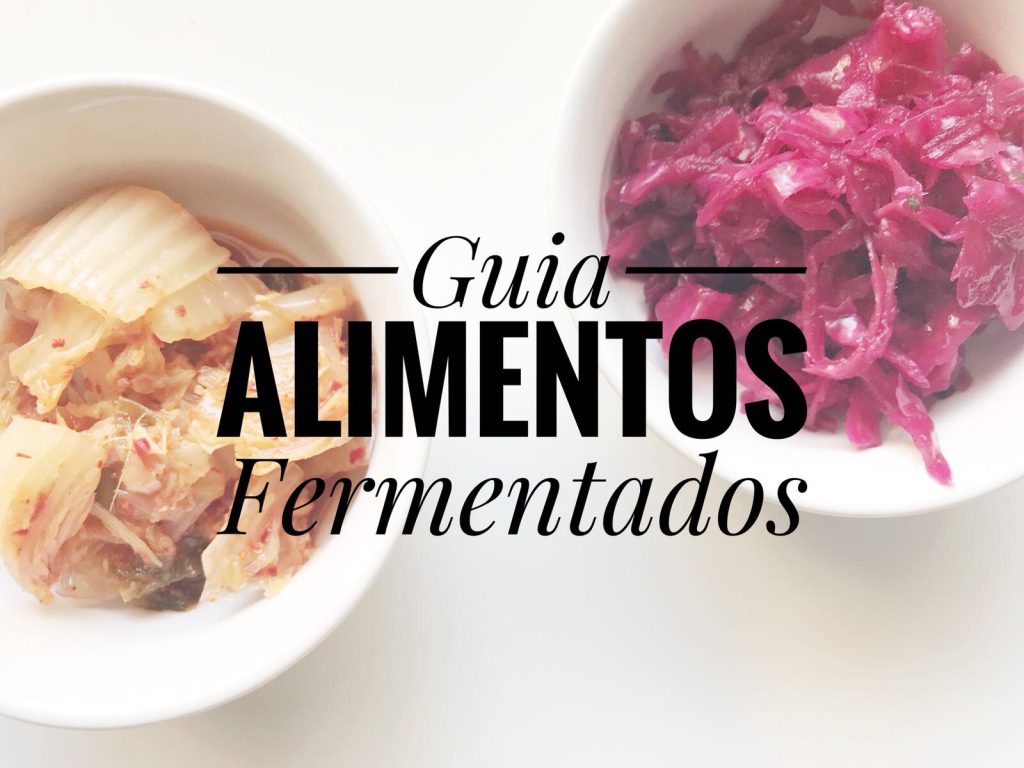
- Kimchi (typical dish of Korean cuisine, composed of fermented vegetables)
- tempeh (soy seeds, peas and other grains, fermented by the fungus of the genus Rhizopus, forming a compact white cake. Practice of origin in Indonesia)
- Kombucha (drink fermented mainly from black or green tea, with the addition of & a culture of bacteria and yeast, known as skoby, and sugar).

- Kefir (looking like a yogurt, can be made from cow’s milk, buffalo milk, coconut water, goat or sheep’s milk)
- Sauerkraut or Sauerkraut (one of the oldest and most traditional dishes of humanity, made from cabbage)
- miso (soy or fermented paste, widely used in oriental cuisine)
- Natto (typical dish of Japanese cuisine, made from fermented soybean)
- Natural yogurt
- unpasteurized goat or sheep cheeses
- Apple cider vinegar (raw, organic and unfiltered)

Benefits of fermented foods
Increased nutrient absorption, vitamin synthesis and immune system: Fermented foods have a Extremely beneficial effect in our body and directly impact our mental, physical, emotional and well-being health. When our body is in balance (mainly our intestinal flora), our body is able to better absorb and take advantage of food nutrients, positively impacting our immunity. In addition, lactic acid tends to lower the pH of the intestinal content, creating less favorable conditions for the growth of harmful bacteria for our body.. Probiotics can also influence other protective functions of the intestinal mucosa, including synthesis (production) and secretion of antibacterial peptides, as mucins.
improves the mood: Including fermented foods in the routine can be a natural way to increase beneficial bacteria in our intestinal flora, right? since our intestinal flora is in charge of much of the Natural Serotonin Production (that neurotransmitter that causes a feeling of well being) we can also have good impacts on mood and, often, less desire for sweets.
Probiotics x Candidiasis: The good bacteria or probiotics are responsible for controlling the population of candida (fungus) in our body. When there is an imbalance in the population of bacteria, the candida fungus reproduces in greater intensity, giving rise to candidiasis. In this sense, the presence of probiotics contributes to maintaining the vaginal epithelium (wall) healthy, preventing fungi and bacteria from multiplying in an unadjusted way, minimizing infections.
Replacement: Nowadays we observe a High consumption of antibiotics in the general population. The effect of consumption goes beyond the cure of a specific disease. The mechanism of action of the antibiotic is not able to distinguish which bacteria are causing the disease and which are good for our body, it ends up destroying them all, thus causing a systemic imbalance. Probiotics in this sense play an important role, replacing the good bacteria that were eliminated and rebalancing our body.
How to start consuming fermented foods?
Fermented foods can be easily included in our food routine, and the cost benefit is great, as we will save on supplementing probiotics and digestive enzymes. I recommend my clients to include the fermented ones little by little:
Start with two tablespoons of fermented vegetables in salads or a cup of kefir or kombucha a day. It is very important to be aware of our body and observe how it reacts to new foods. Those who have adapted well to fermented foods can add one more dose throughout the day and adjust according to personal taste. The effects of probiotics can be noticed from a few days or within a few weeks, it depends on how the body will react, so it is very worthwhile to have patience and wait for the results.
Fermented foods, despite all the benefits they offer, can cause discomfort when they are introduced into the diet of people who suffer from a digestive problem, such as severe dysbiosis or overgrowth of bacteria in the small intestine (SBID). In this case, I suggest talking to a nutritionist or specialist doctor about the best strategy to be adopted.
fermented foods x pregnancy
One of the best known causes that lead to preterm birth are the inflammatory processes that can affect pregnant women in general. A Study done in Norway, points out a possible relationship in the consumption of probiotics and the reduction of premature births. The study is based on the benefits of probiotics on vaginal tract infections and a reduction in the inflammatory state in general.
Although the information collected points to a benefit for pregnant women, there are still not enough scientific studies to prove this correlation. The theoretical basis for the use of probiotics is quite sustainable, and this study provides a sign that, after an appropriate additional study, probiotics can end up being considered relevant allies in the prevention of premature birth and the health of the pregnant woman.
Remembering that this post is not intended to replace a medical or nutritional consultation.
fermented food 101
have you ever heard about fermented foods? If you haven’t, im glad youre crossing by this post! Fermented foods and probiotics have been a current subject among health professionals and between natural culinary! im a big fan of this type of food so i decided to share some information about fermented food here! first and foremost we need to understand what fermented foods are.
what are fermented foods?
fermented foods are foods that have been through a process of lacto-fermentation in which natural bacteria feed on the sugar and starch present in the food creating lactic acid. the most interesting thing about this process is that the food nutrients are preserved, as well as their flavor and aroma and creates benefit enzymes, b-vitamins, omega-3 fatty acids and Various strains of probiotics. Another benefit of fermented food is that they can be stored for a longer period of time without losing their nutritional value.
Fermented Foods Recommend:
- Kimchi (Typical Korean Dish Made Out of Fermented Vegetables)
- Tempeh (Soybeans, Peas and Other Grains Fermented by the fungus rhizopus, forming a compact white cake)
- Kombucha (fermented drink Mainly made of black or green tea with the addition of sugar and a culture of bacteria and yeasts known as skoby.
- Kefir (with yogurt-like appearance, can be made from cows milk, buffalos milk, goats milk, sheep’s milk or coconut water).
- Sauerkraut (One of the Oldest and Most Traditional Dishes of Mankind, Made from Cabbage)
- Miso (Fermented Soybean, Barley or Brown Rice, Widely Used in Oriental Cuisine)
- Natto (Typical Japanese Dish, Made from Fermented Soybeans)
- plain yogurt
- unpasteurized goat or sheep cheese
- Apple Cider Vinegar (Raw, Organic and Not Filtered)
health benefits of fermented food
Nutrients Absorption, Vitamin Synthesis and Immune System: fermented foods are rich in probiotics So when we eat them we are improving our inner ecosystem with more “friendly bacteria” in our intestinal flora. When we have more friendly bacteria our body is able to absorb and assimilate the nutrients from the food we eat with more efficiency, which naturally impacts positively our immune system. Probiotics may also influence others protective functions of the intestinal mucosa including the synthesis (production) and secretion of antibacterial peptides.
Mood Booster: As previously mentioned, including fermented food in our eating routine can be a natural way to increase the beneficiary bacteria in our intestinal flora. since our intestinal flora is responsible for the majority of the Natural Production of Serotonin (neurotransmitter known as a contributor to feelings of well-being and happy) the consumption of fermented food can have good impacts on our mood and also decreases sugar cravings.
Probiotics x Candidiasis: \”Good\” bacteria or probiotics are responsible for controlling the population of Candida (Fungus) in our body. When an imbalance population of bacteria occur in the gut, the candida fungus reproduces in greater intensity, rising rates of candida infection. In this scenary, the presence of probiotics may contribute to a vaginal healthier epithelium and prevent the unwanted multiplication of fungi and bad bacteria.
Replacement: nowadays the consumption of antibiotics in the general population has rise to alarming levels. The effect of its consumption goes beyond the cure of a specific disease. Antibiotics are not able to distinguish pathogenic from benefit bacteria, so it ends up destroying it all causing a systemic imbalance in our intestinal flora after its consumption. Probiotics can replenish the good bacteria lost after antibiotic consumption, contributing positively to the gut recovery.
How to start eating fermented foods?
fermented foods can be easily included in our eating habits and the cost-effectiveness is great since you might save on supplements such as probiotics and digestive enzymes (yes, Probiotics Naturally Provides That For You Each Person has its own bio individuality, so it’s important to work with a professional health advisor if you are looking for individual guidance.
I recommend my clients to include fermented food gradually, starting with one of the following options:
- two tablespoons of fermented vegetables in salads
- one cup of kefir yogurt with fruits
- glass of kombucha
It is very important to listen and honor to your body, observing how it reacts to new foods. Those who have adapted well to fermented foods can add one or more doses throughout the day. The effects of probiotics can be reported from a few days or within a few weeks, it depends on how the body will react.
Fermented Foods, Despite All The Benefits, Often Can Cause Discomfort When Introduced into People’s Diet, Especially for People Suffering from Digestive Problems Such as Severe Dysbiosis or Syndrome of Bacteria Overgrowth in the Small Intestine (Sibo). In both Scenarios I strongly suggests talking to a nutritionist, registered dietitian or physician to understand the best alternatives to adopt.
*Remember that this post is not intended to replace medical or nutritional consultation.